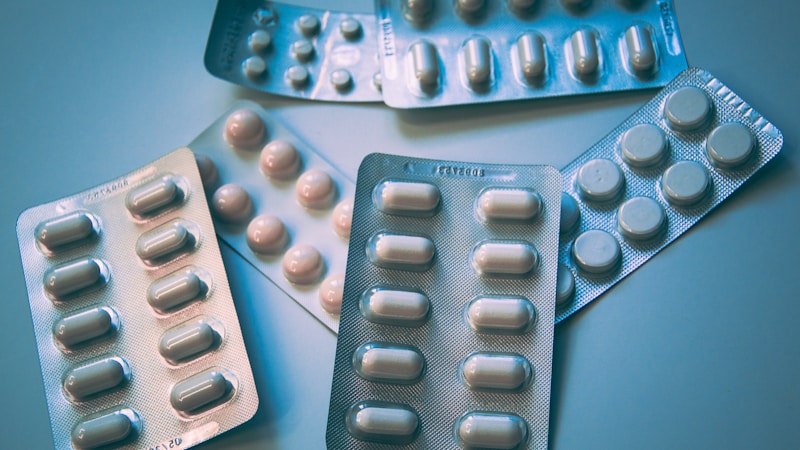
The global dietary supplements market exceeds $150 billion annually, making it a prime target for counterfeiters. Unlike many counterfeited products, fake supplements pose immediate health risks—from ineffective products that fail to deliver promised benefits to dangerous formulations containing undisclosed pharmaceuticals, heavy metals, or toxic substances. For supplement brands, protection is literally a matter of consumer health and safety.
Why Supplements Are High-Value Counterfeit Targets
Several factors make dietary supplements attractive to counterfeiters:
- High margins: Premium supplements command significant prices with relatively low production costs
- Repeat purchases: Supplements are consumable products with recurring demand
- Complex formulations: Consumers cannot easily verify ingredient quality or quantity
- Health claims: Counterfeiters exploit consumer desire for health benefits
- Online growth: E-commerce enables direct counterfeit sales without physical inspection
- Regulatory complexity: Supplements face less pre-market scrutiny than pharmaceuticals
Understanding the true cost of counterfeits must include potential liability from harmed consumers.
Health Risks of Counterfeit Supplements
Ingredient Fraud
Counterfeit supplements commonly contain:
- No active ingredients: Capsules filled with rice flour or other inert substances
- Underdosed ingredients: Far less than label claims
- Substituted ingredients: Cheaper alternatives that may cause allergic reactions
- Undisclosed pharmaceuticals: Sildenafil in "natural" male enhancement, sibutramine in weight loss products
- Heavy metals: Lead, mercury, and arsenic from contaminated raw materials
- Microbial contamination: Bacteria and mold from unsanitary production
Documented Harm
Counterfeit supplements have caused:
- Liver failure from undisclosed drug ingredients
- Cardiovascular events from hidden stimulants
- Allergic reactions from undeclared allergens
- Drug interactions from undisclosed pharmaceuticals
- Heavy metal poisoning from contaminated products
FDA and FTC Regulatory Framework
Supplement brands must understand the regulatory environment while building legal protection strategies:
FDA Requirements (DSHEA)
- Good Manufacturing Practices: cGMP compliance for identity, purity, and composition
- Labeling requirements: Supplement Facts panel, ingredient listing, disclaimers
- New Dietary Ingredient notifications: Required for ingredients not sold before 1994
- Adverse event reporting: Serious adverse events must be reported within 15 days
- No disease claims: Cannot claim to treat, cure, or prevent disease
FTC Advertising Rules
- All claims must be truthful and substantiated
- Testimonials must reflect typical results
- Disclaimers must be clear and conspicuous
- No deceptive pricing or comparison claims
Liability Exposure
When counterfeit supplements bearing your brand cause harm, you may face:
- Product liability lawsuits
- FDA warning letters and enforcement
- FTC investigation for advertising claims
- State attorney general actions
- Class action litigation
Common Counterfeiting Methods
Manufacturing Counterfeits
- Overseas factories producing fake versions with inferior ingredients
- Packaging replication using stolen artwork and designs
- Fake lot codes and expiration dates
- Counterfeit third-party certification marks
Distribution Infiltration
Counterfeiters exploit supply chain vulnerabilities:
- Selling to unauthorized distributors who mix with legitimate inventory
- Returns fraud with counterfeit products replacing authentic ones
- Diversion of products intended for different markets
- Direct sales through online marketplaces
Online Marketplace Exploitation
Counterfeiters frequently hijack legitimate listings on Amazon, selling counterfeits alongside or instead of authentic products through commingled inventory.
Building a Supplement Brand Protection Program
Product Authentication
Implement verification systems consumers can use:
- Serialization: Unique codes on each bottle for verification
- QR codes: Scannable verification linked to your database
- Tamper-evident packaging: Seals that show if product was opened
- Holographic labels: Difficult-to-replicate security features
- Lot tracking: Consumer-accessible batch verification
Third-Party Testing Documentation
Legitimate testing differentiates authentic products:
- Certificate of Analysis (COA) for each batch
- Third-party verification programs (NSF, USP, ConsumerLab)
- Heavy metal and contaminant testing results
- Potency verification for active ingredients
Authorized Seller Control
Tightly control distribution:
- Limit authorized retailers and distributors
- Require anti-counterfeiting contract provisions
- Audit distribution partners regularly
- Maintain authorized seller lists for consumer reference
Online Monitoring
Deploy AI-powered detection across:
- Major marketplaces (Amazon, eBay, Walmart)
- Social media platforms promoting supplements
- Standalone websites selling your products
- International marketplaces
Enforcement Strategies
Test Purchase Programs
Regular test purchases provide enforcement evidence:
- Purchase from suspicious sellers
- Have products tested by accredited laboratories
- Document packaging and shipping materials
- Build evidence packages for takedowns
Platform Reporting
Follow our takedown strategy guide for effective marketplace enforcement.
FDA Reporting
Report dangerous counterfeits to FDA through:
- MedWatch for safety reporting
- Office of Criminal Investigations for criminal counterfeiting
- Import alerts for products entering from overseas
Platform-Specific Approaches
Each marketplace requires tailored strategies. See our multi-channel protection guide for detailed approaches.
Amazon Considerations
- Dietary supplements require approval to sell
- Brand Registry provides reporting tools
- Transparency program enables unit-level authentication
- Request FBA inventory inspection if counterfeits suspected
Consumer Education
Help customers identify authentic products:
- Publish authentication guides on your website
- Explain how to verify lot codes and certifications
- List authorized retailers prominently
- Provide channels for reporting suspected counterfeits
- Share warning signs of counterfeit supplements
Measuring Protection Success
Track these KPIs:
- Counterfeit listings detected and removed
- Time from detection to takedown
- Customer complaints about suspected fakes
- Test purchase confirmation of counterfeit products
- Adverse event reports that may indicate counterfeits
Taking Action
Supplement brands face unique counterfeit risks with serious health and regulatory implications. A comprehensive protection program combining authentication, monitoring, testing, and enforcement is essential. Prioritize protection for your highest-volume and highest-margin products first.
BrandedOps provides comprehensive protection for supplement brands through our five-pillar system. Our Brand Misuse Scanner identifies counterfeit listings, while our Instant Takedown Center streamlines enforcement across marketplaces. Start your free brand audit to discover the scope of counterfeit threats to your supplement brand.
Ready to Protect Your Brand?
Get a free brand audit and discover how many counterfeit listings are affecting your revenue right now.